El Salvador's Life Sentences: A Critical Juncture for Democracy and Rights?
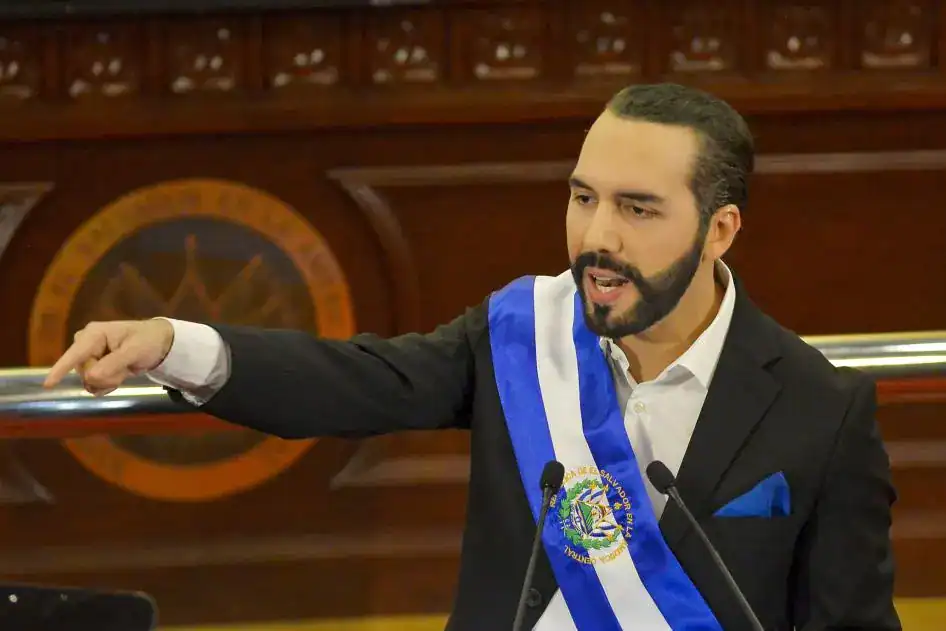
El Salvador, under the populist leadership of President Nayib Bukele, is once again at the center of international scrutiny following a pivotal constitutional amendment. The nation's Congress recently approved a reform to permit el salvador life sentences, a move that has ignited a fierce debate about the country's democratic trajectory and its commitment to human rights. This decision, emerging from a sweeping "war against gangs" that has already seen over 1% of the population imprisoned, signals a dramatic shift in El Salvador's legal landscape, raising profound questions about the balance between security and liberty.
The amendment, pushed forward by Bukele's security cabinet and swiftly approved by a legislature firmly under his party's control (59 out of 60 lawmakers), is slated for ratification in the coming days. It represents not an isolated measure, but rather the latest in a series of constitutional reforms that critics argue are systematically eroding checks and balances and undermining the very foundations of El Salvador's delicate democracy. Bukele himself defended the reform on X, challenging those who would "dare to defend the idea that the Constitution should continue prohibiting murderers and rapists from remaining in prison." While such rhetoric resonates with a populace weary of gang violence, the implications extend far beyond simple penal code adjustments.
The Shifting Legal Landscape: El Salvador Embraces Life Sentences
The approval of life sentences marks a significant departure from El Salvador's previous legal framework, which did not permit such punitive measures. This change is presented by the government as a necessary escalation in its fight against entrenched criminal organizations, specifically the notorious gangs that have plagued the country for decades. The logic is straightforward: if criminals commit heinous acts, they should face the severest possible consequences, ensuring they never return to society.
- A Constitutional Amendment with Far-Reaching Implications: The decision to amend the constitution for this purpose underscores the profound nature of the change. It's not merely a tweak to existing laws but a fundamental alteration of the nation's highest legal document. This sets a precedent for how future legal and punitive measures might be implemented, potentially opening the door for even more drastic actions.
- Bukele's Rationale and Public Support: President Bukele's popularity remains high, largely due to his aggressive stance on crime and perceived success in reducing gang violence. His public statements, framing the life sentence reform as a common-sense measure to keep dangerous criminals incarcerated, resonate strongly with many Salvadorans. The narrative that those who oppose such measures are defending criminals effectively silences dissent and rallies public opinion behind the government's agenda. However, this narrative often overshadows concerns about due process and human rights, which are cornerstones of a functioning democracy. For more insights into how these changes are impacting the nation's legal structure, see El Salvador Approves Life Sentences: Bukele's Constitutional Shift.
Beyond Crime Control: Erosion of Democratic Safeguards
The introduction of el salvador life sentences cannot be viewed in isolation. It is part of a broader pattern of constitutional reforms and executive actions that have led many experts to question the health of El Salvador's democratic institutions. The concern isn't just about harsh penalties, but about the means by which these changes are enacted and their cumulative effect on governance.
- Undermining Checks and Balances: A healthy democracy relies on a system of checks and balances, where different branches of government limit each other's power. Bukele's consolidation of power within the legislature, coupled with perceived influence over the judiciary, raises alarms. When one branch becomes overwhelmingly dominant, the capacity for independent oversight diminishes, making it easier to push through reforms that might otherwise face significant opposition or legal challenges. This erosion makes it harder for citizens to hold their leaders accountable.
- The Specter of Indefinite Presidential Power: A critical piece of this puzzle is the earlier reform that effectively abolished presidential term limits. Bukele's current second term, which began in 2024, is widely considered by legal experts to violate the constitution's prohibition against consecutive re-election. This move paves the way for Bukele to potentially stay in power indefinitely, centralizing authority and further weakening democratic norms. When a leader can bypass constitutional limits on power, the concept of a "republic" where power is constrained becomes tenuous.
- The State of Emergency: A Precedent for Suspended Rights: Since March 2022, El Salvador has been under a state of emergency, a measure initially temporary but extended almost continuously. This state of exception has suspended key constitutional rights and led to the detention of approximately 91,300 people. While the government credits this measure with drastically reducing gang violence, human rights groups have documented widespread arbitrary detentions, often with little evidence or due process. This prolonged suspension of fundamental rights sets a dangerous precedent, normalizing government overreach in the name of security and demonstrating how easily liberties can be curtailed.
Human Rights Under Siege: The Price of "Total Control"
The "war against gangs" and the associated legal reforms, including el salvador life sentences, have come at a significant human cost. While the government emphasizes the reduction in crime, human rights organizations paint a grim picture of widespread abuses and a justice system under severe strain.
- Arbitrary Detentions and Lack of Due Process: Reports from human rights groups, some presented to the Inter-American Commission on Human Rights (IACHR), allege that a vast majority of those detained under the state of emergency were arbitrarily arrested. Prisoners often face vague accusations, have minimal access to legal counsel, and are judged in mass trials where lawyers struggle to even locate their clients. Bukele has acknowledged that 8,000 innocent people have been released, but this admission underscores the potential for systemic error and injustice within the current system. The government's previous vow that detained gang members "will never return" to the streets further highlights the lack of emphasis on rehabilitation or even the presumption of innocence. Learn more about the crackdown in Bukele's El Salvador: Life Terms Fuel Sweeping Gang Crackdown.
- Silencing Dissent: Critics, Journalists, and the Opposition: The crackdown extends beyond alleged gang members. Emboldened by international alliances (such as with former U.S. President Donald Trump), Bukele's government has also targeted its domestic critics. Activists, journalists, and opposition voices increasingly face a stark choice: exile or prison. This systematic silencing of dissent is a hallmark of authoritarian regimes, stifling public debate and preventing alternative viewpoints from challenging the government's narrative. Without a free press and robust opposition, accountability diminishes significantly.
- The International Community's Response and Concerns: The international community, including human rights organizations and some foreign governments, has expressed growing concern over El Salvador's trajectory. While recognizing the need to address gang violence, they emphasize that such efforts must adhere to international human rights standards and democratic principles. The challenge lies in balancing the undeniable public demand for security with the universal values of justice, liberty, and due process.
The Long-Term Impact: Security vs. Liberty in El Salvador
El Salvador stands at a crossroads. The implementation of el salvador life sentences and the broader constitutional changes represent a fundamental redefinition of the social contract between the state and its citizens. The outcome will have lasting repercussions for the nation's identity and its place in the global community.
- What Does "Democracy" Mean in This New Era?: As checks and balances weaken, presidential power consolidates, and basic rights are suspended, the very definition of democracy in El Salvador becomes ambiguous. While elections still occur, the absence of robust institutional safeguards and a vibrant space for dissent can transform democratic forms into what some might call "illiberal democracy" or even authoritarianism by popular mandate. Citizens should critically examine not just electoral outcomes, but also the health of institutions, freedom of expression, and protection of minority rights.
- The Paradox of Populist Security Measures: Bukele's approach demonstrates the powerful appeal of populist leaders who promise swift, decisive action against complex problems like crime. While initially effective in terms of public perception and potentially reducing immediate violence, such methods often carry long-term risks: the erosion of trust in the justice system, the creation of a vast prison population with unknown societal reintegration challenges, and the potential for abuse of power. The temporary relief from violence may come at the cost of fundamental freedoms and a stable, just society.
- Practical Considerations for Citizens and the Future: For Salvadoran citizens, understanding the implications of these changes is paramount. It means being aware of their rights, even under a state of emergency, and knowing what avenues for redress, however limited, still exist. For international observers and potential investors, it means assessing the long-term stability and predictability of a legal and political system undergoing such profound transformations. The success of crime reduction efforts must be weighed against the potential for an increasingly centralized and less accountable government.
The introduction of el salvador life sentences is more than just a penal reform; it is a critical bellwether for the country's democratic health and human rights record. While President Bukele's government champions these measures as essential for security and public order, a growing chorus of critics warns of the steady erosion of democratic institutions, judicial independence, and fundamental liberties. As El Salvador navigates this complex path, the world watches to see if the pursuit of total security will ultimately come at the irreparable cost of its democracy and the rights of its people.