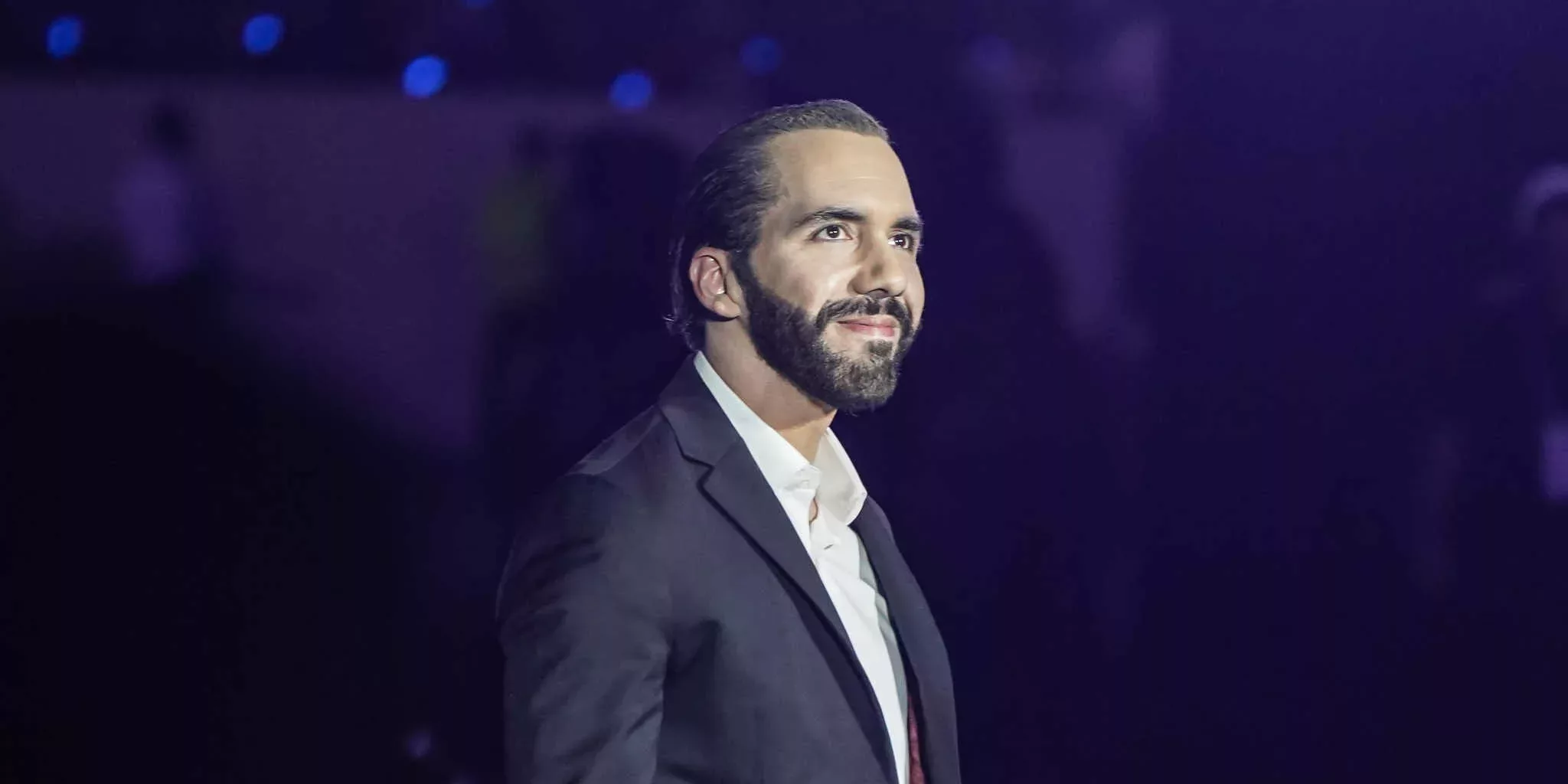
Bukele's El Salvador: Life Terms Fuel Sweeping Gang Crackdown
El Salvador is undergoing a profound transformation under President Nayib Bukele, a leader who has promised to deliver absolute security to a nation long tormented by gang violence. The latest and arguably most significant step in this radical overhaul came with the recent approval by El Salvador’s Congress of a constitutional amendment permitting
el salvador life sentences. This landmark reform, championed personally by President Bukele, signifies a drastic escalation in the country's war against gangs and underscores a broader, controversial pattern of constitutional changes that are reshaping the nation's legal and democratic landscape.
The amendment was swiftly passed by 59 out of 60 lawmakers, a testament to the populist leader's firm control over the legislature. While proponents argue it's a necessary tool to keep murderers and rapists off the streets permanently, critics raise alarm bells about its implications for human rights, due process, and the very foundation of El Salvador's delicate democracy. This move is not an isolated incident but rather the latest in a series of bold, often contentious, actions that define Bukele's presidency.
A Nation Under Siege: The Context of Bukele's Gang War
For decades, El Salvador endured the brutal tyranny of powerful street gangs like MS-13 and Barrio 18. These criminal organizations held entire communities hostage, extorting businesses, recruiting youth, and perpetrating widespread violence that made El Salvador one of the most dangerous countries in the world. The pervasive fear and daily insecurity created a deep yearning for order among the populace, a sentiment that Nayib Bukele masterfully tapped into.
Upon taking office, Bukele launched an unprecedented offensive against the gangs. The cornerstone of this strategy is the "state of emergency," first declared in March 2022 following a horrific surge in gang killings. Intended to be temporary, this measure has been extended repeatedly for nearly two years, suspending key constitutional rights. Under its authority, security forces have detained an astonishing number of people – approximately 91,300, accounting for more than 1% of the entire population. This aggressive approach, dubbed "mano dura" (iron fist), has dramatically reduced homicide rates, earning Bukele immense popularity among a citizenry desperate for peace. However, it has also paved the way for policies that challenge established legal norms and human rights principles.
The introduction of
el salvador life sentences is a direct extension of this hardline stance. Officials in Bukele's government have previously vowed that once gang members are detained, "they will never return" to the streets. The new amendment provides the legal framework to make that vow a permanent reality, ensuring that individuals convicted of serious crimes can be removed from society indefinitely.
The Controversial Path: Constitutional Reforms and Eroding Checks and Balances
The approval of life sentences is not an isolated legislative act but rather fits into a larger pattern of constitutional reforms initiated by President Bukele's administration. These changes have drawn sharp criticism from international bodies, legal experts, and human rights organizations, who argue they are systematically chipping away at democratic checks and balances and undermining the country's institutional integrity.
One of the most contentious reforms came in August 2021, when the government pushed through an amendment allowing for the re-election of a president, effectively doing away with term limits. This paved the way for Bukele's second term, which began in 2024, despite widespread consensus among legal experts that the constitution explicitly prohibits consecutive re-election. This move ignited fears about the concentration of power and a potential drift towards authoritarianism. Readers interested in the specifics of these shifts can explore
El Salvador Approves Life Sentences: Bukele's Constitutional Shift.
Bukele himself has been unapologetically confrontational with critics. Following the life sentence approval, he took to social media, challenging opponents directly: "We will see who supports this reform and who dares to defend the idea that the Constitution should continue prohibiting murderers and rapists from remaining in prison." Such statements reflect a broader narrative that frames opposition to his reforms as defense of criminals, making it difficult for dissenting voices to be heard without fear of public condemnation or worse. This climate of intimidation has been a recurring concern, as critics and activists have faced detention, and journalists and opposition voices have increasingly been forced to choose between exile and prison.
Human Rights Under Scrutiny: The Cost of Absolute Security
While the drive for security has been undeniably popular, the methods employed under the state of emergency and the implications of new measures like
el salvador life sentences have sparked serious human rights concerns. Groups like Cristosal and the Inter-American Commission on Human Rights (IACHR) have documented thousands of cases of alleged arbitrary detentions, with some estimates suggesting a vast majority of those imprisoned under the state of emergency were apprehended without sufficient legal justification.
The due process concerns are particularly alarming:
- Vague Accusations: Many individuals are detained based on flimsy or non-existent evidence, often on vague accusations by authorities.
- Limited Legal Access: Prisoners have very little access to legal representation or information about their cases.
- Mass Trials: The judicial system has resorted to mass trials, where hundreds of defendants are tried simultaneously, making individual defense virtually impossible.
- Disorientation of Lawyers: Lawyers frequently report losing track of their clients, unable to ascertain their whereabouts within the sprawling prison system.
President Bukele has acknowledged that some innocent people have been detained, stating that 8,000 have been released. However, the sheer scale of detentions and the systemic issues with due process suggest a deep problem that goes beyond isolated mistakes. The long-term implications of these practices, particularly with the permanence of life sentences, are significant. For a deeper dive into the ethical considerations, one might consider
El Salvador's Life Sentences: A Threat to Democracy & Rights?.
Balancing the Scales: Security, Popularity, and Future Implications
Nayib Bukele's policies present a complex paradox. On one hand, his aggressive approach has delivered a tangible sense of security to a population that desperately needed it, resulting in exceptionally high approval ratings. Streets that were once no-go zones are now safer, and the fear of gang violence has noticeably receded. This success, however, comes at a substantial cost to democratic principles and individual liberties.
The introduction of
el salvador life sentences reinforces the government's commitment to its "no tolerance" stance on crime. While this may resonate with many who prioritize safety above all else, it deepens the anxieties of those who fear El Salvador is trading freedom for security.
Practical Considerations and Insights:
- For International Observers: El Salvador serves as a critical case study on the trade-offs between public safety and human rights in times of severe crisis. It highlights the importance of robust international oversight and adherence to universal legal standards.
- For Governments Facing Similar Challenges: While gang violence is a grave threat, maintaining judicial independence, due process, and fundamental rights is crucial for long-term stability and democratic health. Extreme measures, while appearing effective in the short term, can create enduring legal and social challenges.
- For Salvadoran Citizens: The current environment demands heightened awareness of constitutional rights and the mechanisms for legal recourse, even as the government prioritizes security above all else. Understanding the long-term impact of these reforms on the nation's democratic future is paramount.
The long-term implications of these reforms for El Salvador's legal system, its international standing, and its citizens are profound. Will the reduction in crime be sustainable without undermining the rule of law entirely? Can a democracy truly flourish if checks and balances are eroded and dissent is stifled? These are the critical questions that will define Bukele's legacy and El Salvador's future.
Conclusion
The approval of
el salvador life sentences marks a significant milestone in President Nayib Bukele's transformative, yet controversial, campaign against gang violence. It is a potent symbol of his administration's unwavering commitment to permanent security, even if it means fundamental shifts in constitutional law and a redefinition of democratic norms. While the immediate results of reduced crime have garnered widespread public support, the deeper questions regarding human rights, due process, and the long-term health of El Salvador's democracy remain open and hotly debated. As the nation moves forward under these sweeping changes, the world watches to see whether the pursuit of absolute security will ultimately lead to lasting peace or compromise the very foundations of a free society.